JAPFA and Koperasi LPER Strengthen Sustainable Farming and Food Security in Eastern Indonesia
Share
-

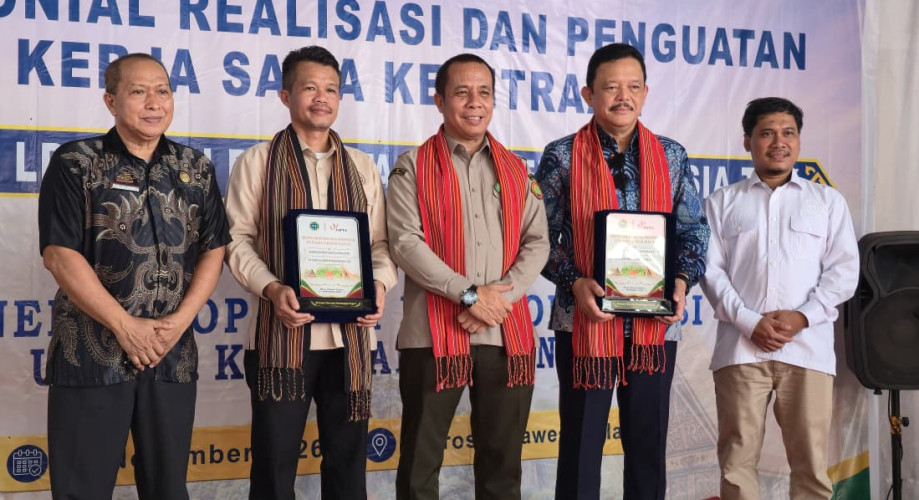
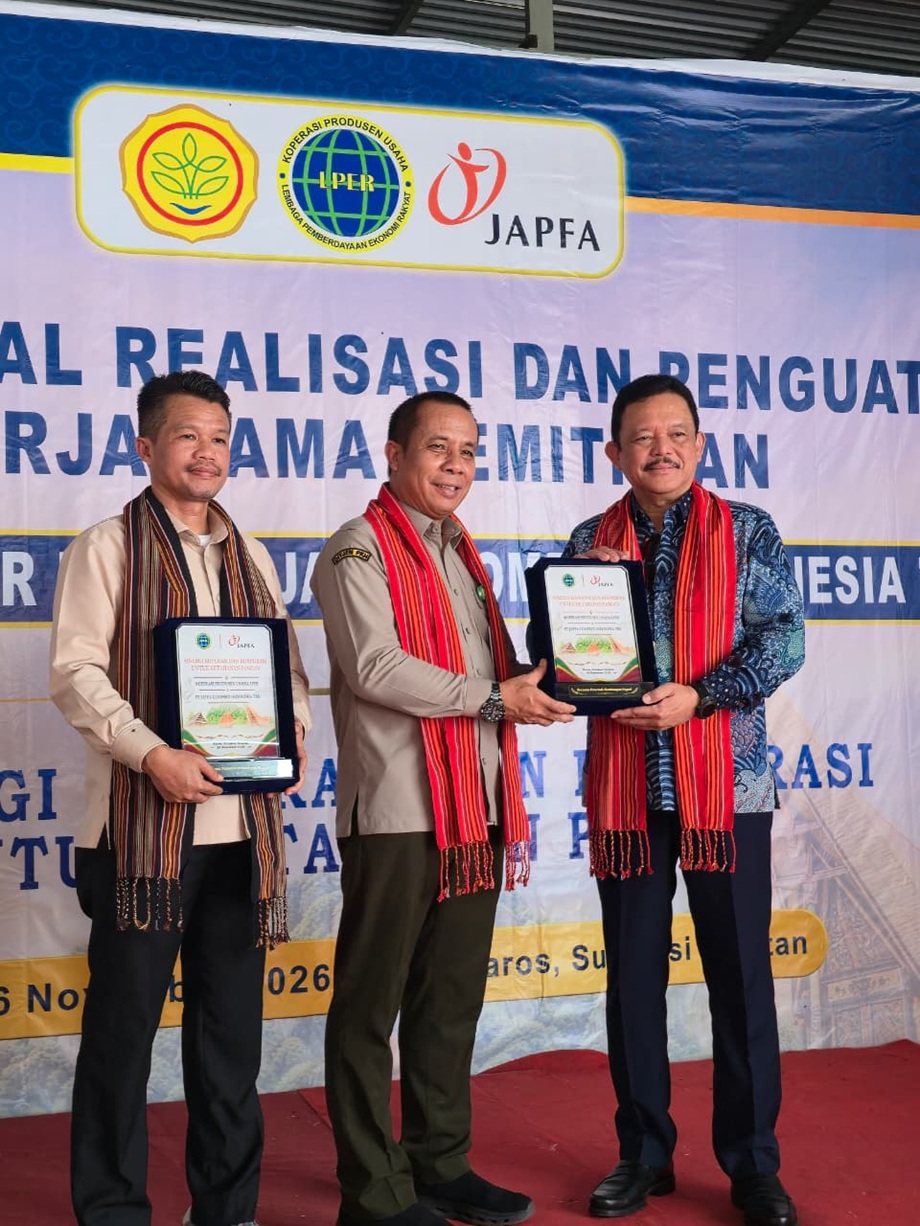
Makassar, 26 November 2026 - PT Japfa Comfeed Indonesia Tbk (JAPFA) in collaboration with the Koperasi Produsen Usaha Lembaga Pemberdayaan Ekonomi Rakyat (LPER), held a ceremony to mark the realization of a boiler chicken farming partnership with a total population of 500,000 birds, themed “Sinergi Koperasi dan Korporasi untuk Katahanan Pangan” in Makssar. The event continued with a chick-in procession at SCH Abdullah Broiler Farm, Maros Regency, South Sulawesi.
This collaboration aims to support the availability of animal protein in Eastern Indonesia, while replicating the success of a similar program in Gunungkidul Regency, Yogyakarta, last September. Developed through PT Ciomas Adisatwa Regional Sulawesi, the collaboration also promotes the implementation of sustainable farming principles through efficient feed management, biosecurity, waste management, resource efficiency, and improved animal health.
Rachmat Indrajaya, Director of JAPFA emphasized, “The implementation of sustainable farming principles is the main foundation for JAPFA in supporting national food security, particularly in ensuring the availability of animal protein supply in Eastern Indonesia. This partnership with the cooperative ensures that smallholder farmers do not operate alone, but receive quality DOC supply, technical assistance in farm management, and market certainty through a certified Poultry Slaughterhouse (RPHU). The success of one million birds in Gunungkidul, Yogyakarta proves that this synergy is effective in increasing productivity while improving farmer welfare.”
H. Mulyadi Atma, Chairman of the LPER Cooperative Center, stated, “The LPER Cooperative serves as a platform for people’s economy and an important bridge connecting local farmers with agribusiness companies and government policies. The synergy with JAPFA proves that through the cooperative, small farmers can scale up their businesses, obtain certainty of input supply and market assurance, and improve economic independence.”
Through this collaboration, JAPFA supports the provision of farm facilities and infrastructure as well as local farmer labor, with quality Day Old Chick (DOC) supply, technical guidance, and guaranteed off-take of harvests. The inauguration ceremony also reaffirmed the importance of government-private sector collaboration in facilitating regulations, financing, quality standards, and the development of smallholder farming.
Dr. Drh. Agung Suganda, M.Si, Director General of Livestock and Animal Health, Ministry of Agriculture of the Republic of Indonesia, emphasized the strategic role of this collaboration in strengthening the national livestock industry. “Government-private sector collaboration is a key pillar in building a national poultry industry that supports smallholder farmers. The Ministry of Agriculture appreciates the replication of this cooperative-based partnership model as it provides financing assurance, market certainty, and product quality standards that are safe, nutritious, and affordable for the wider community.”
Prof. Ir. Ambar Pertiwiningrum, M.Si, Special Staff of the Ministry of Cooperatives of the Republic of Indonesia, also expressed her support for strengthening cooperative institutions. “The LPER Cooperative has proven to be an effective platform for people’s economy in organizing small-scale farmers to synergize with large corporations. This synergy transforms local farmers into independent and highly competitive strategic food partners.”
The partnership realization agenda in Makassar and Maros was also attended by the Regent of Maros, Dr. H. A. S Chaidir Syam, S.IP., M.H., Member of Commission B of the South Sulawesi Provincial DPRD, Drs. Marjono, and Head of the South Sulawesi Livestock and Animal Health Office, Dr. Ir. H. Taufiq, S.Pt., M.Si., IPU. Through the implementation of sustainable farming and the strengthening of government-private sector collaboration, the synergy between JAPFA and the LPER Cooperative is expected to become a national blueprint for maintaining the stability of animal protein supply and national food security.